AI Model Drift Monitoring in 2026: A Practical Guide for Small Teams
An AI model can look great during a test and lose accuracy in real work. That does not always mean it needs a new model. Often the inputs, source data, or business rules have changed. Here is a plan for noticing the difference and fixing the right part of the workflow.
What model drift looks like at work
A shop may train a tool to sort support mail. At first, most orders are from one region. Months later, the shop gains buyers who use new terms. The tool may send good questions to the wrong team. The model has not broken, but the work has changed. A short weekly sample helps staff spot the shift before it harms service.
The day a good model starts giving poor answers
An AI system may pass every launch test and still become less useful months later. Users change how they ask questions. A product catalog gains new items. Support policies shift. Data may arrive in a new format. These changes can affect the model even when its code stays the same. This guide explains how to spot that change with a small, steady review process.
Example in practice
Picture an online seller that uses an AI assistant to sort support tickets. At launch, it puts most refund requests in the right queue. Then the seller adds subscriptions. Customers begin to ask about pauses, renewals, and trial dates. The old categories no longer fit. The model may still run fast, yet the wrong team gets more tickets. That is the kind of issue a practical monitoring plan should find.
What drift means in daily work
Data drift means the inputs change. Model drift is a broader term for changes in how well a system works as the world around it changes. A shift does not always mean failure. A new customer group may ask different questions while receiving good service. The task is to find changes that affect the result.
What to check
Do not start with an expensive dashboard. Start with three questions: What should this system do? How can we check a good result? What new failure would harm someone? A hiring tool, a product search tool, and a help desk bot need different answers. Match each measure to the job.
Create a baseline before launch
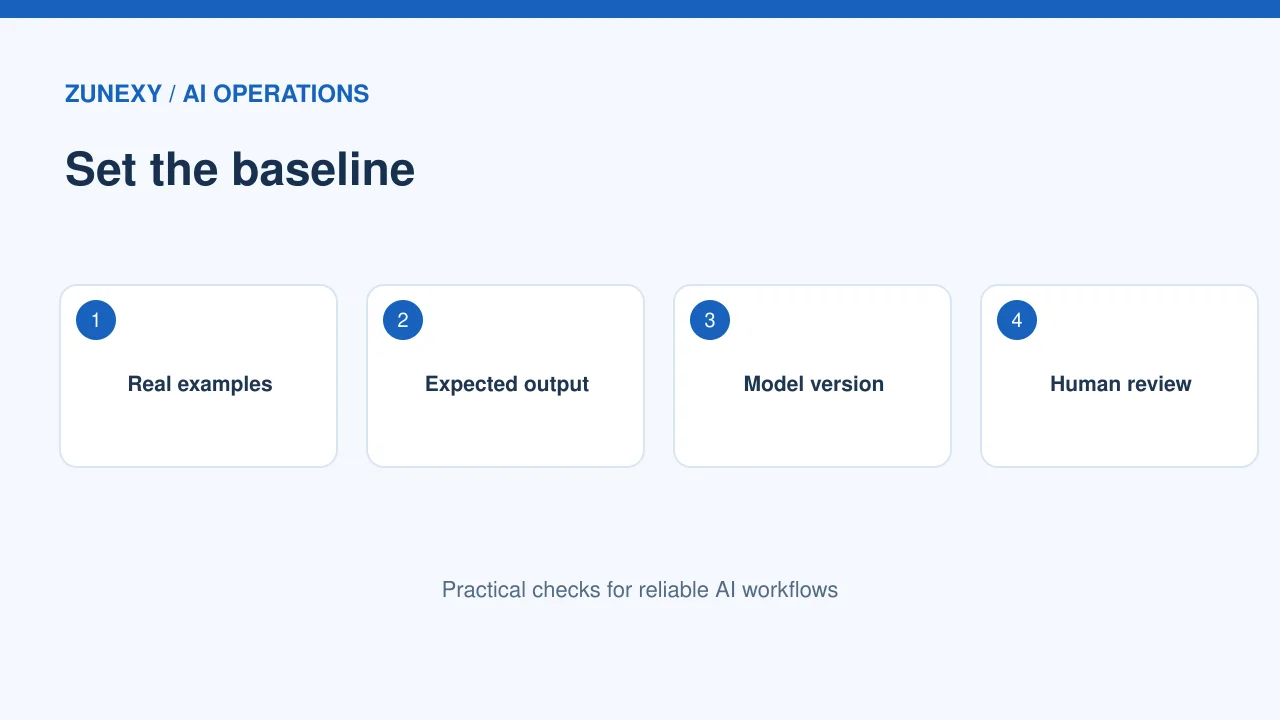
A baseline is a small set of results you trust. Keep test cases from normal work, hard cases, and cases the system must refuse or send to a person. Record the date, model version, prompt, data source, expected result, and actual result. Save the cases in a way that respects privacy.
Example in practice
For a document classifier, choose a sample of invoices, contracts, letters, and odd file types. Have a person check the right labels. Do not keep only easy examples. A baseline with only clean files will hide errors in scanned pages and mixed-language forms.
Pick measures that match the risk
Accuracy is useful. But one overall percentage can hide serious problems. Measure the types of mistakes that matter. For a support router, track wrong queues and time to correction. For search, check whether answers cite a valid source. For a language tool, check names, dates, and meaning. Track response time and cost too. But keep them separate from answer quality.
What to check
The NIST AI Risk Management Framework says deployed systems should be measured and monitored as conditions change. It also notes that drift can affect how well old metrics work. Use that as a reason to review both the system and the way you score it.
Use samples that people can review
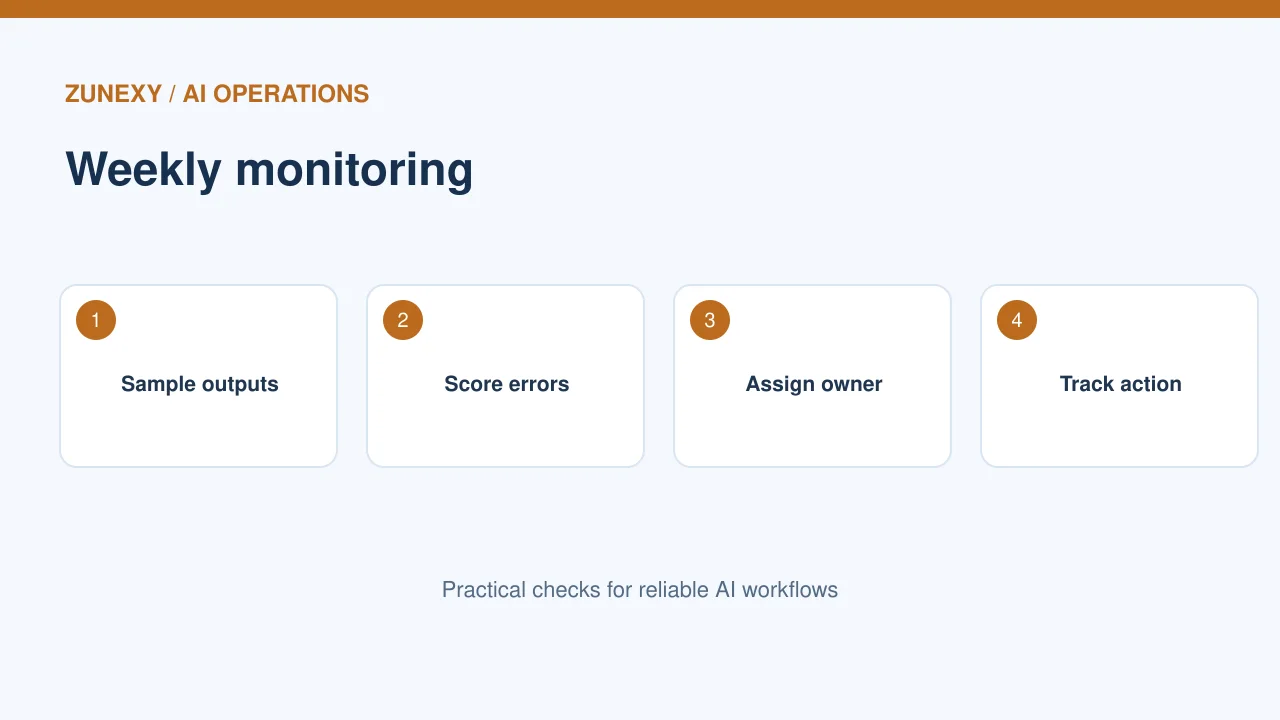
Small teams rarely have time to check every output. A useful plan mixes random samples with high-risk cases. Each week, review a few routine results. Add outputs that got a complaint, were sent back for correction, or had low confidence. This gives a fuller picture than looking only at alerts.
Example in practice
Keep the review simple. A reviewer should see the input, the output, the correct source or expected action, and a short reason for the score. If two reviewers disagree, discuss the rule. That talk often reveals unclear business policy rather than a model flaw.
Look for changes in the input mix
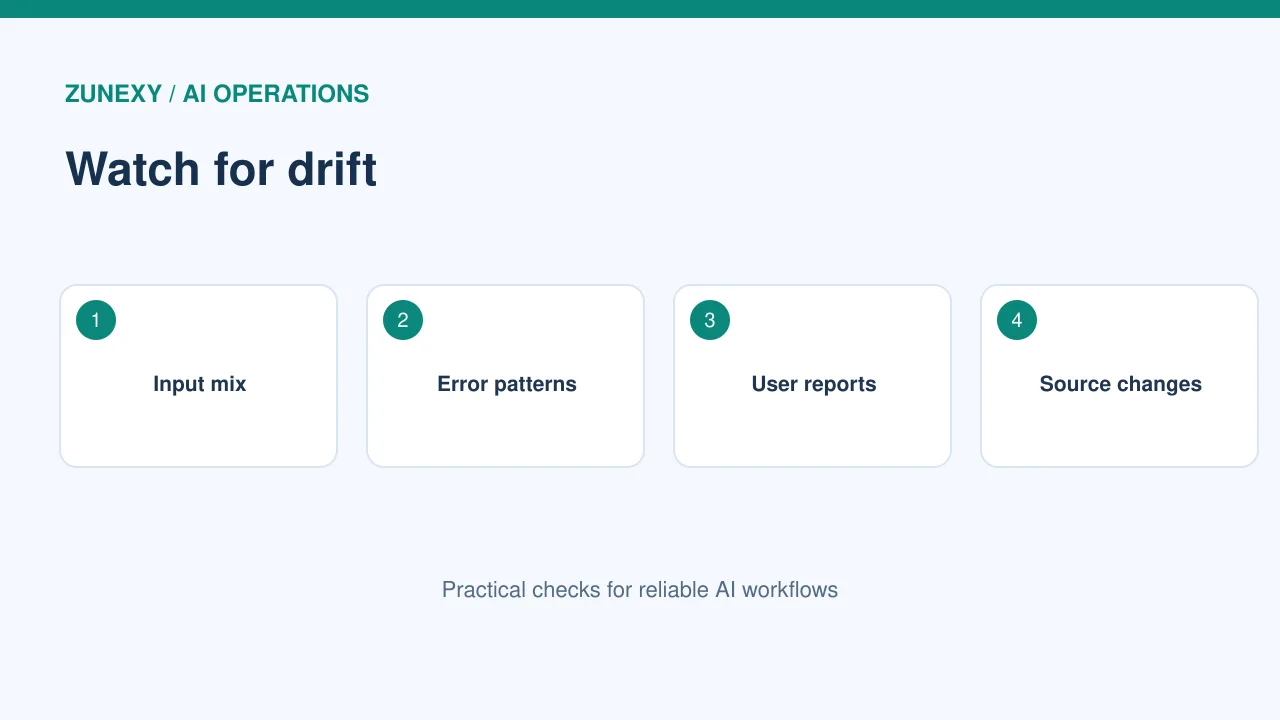
Track broad input traits without storing more personal data than needed. The traits may include language, document type, product line, request length, and source system. A sudden jump in one group can explain a drop in quality. Do not treat a change in user mix as a fault by itself.
What to check
For example, a travel help bot may see many weather questions during a storm. It can answer those well while its usual booking questions fall as a share of traffic. A dashboard may call that drift. Your reviewer should ask if customers were helped, not just whether the chart moved.
Set alert levels and owners
An alert is useful only if someone knows what to do with it. Define a low-level review trigger, a high-risk stop trigger, and the person who owns each action. Use thresholds based on your baseline and the cost of errors. Avoid copying generic numbers from a vendor.
Example in practice
A team may choose to review a workflow after three serious routing errors in a week, while a payment or safety action might need a stop after one confirmed harmful event. Those are example policies, not industry standards. Write the actual rule and review it with the process owner.
Check the whole workflow, not only the model
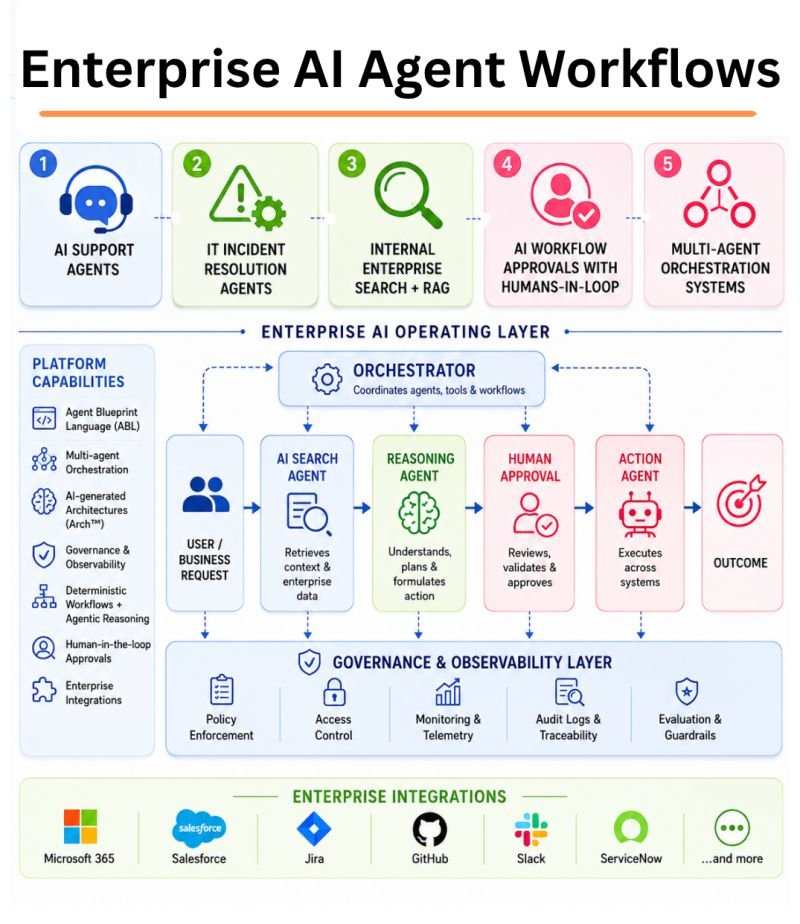
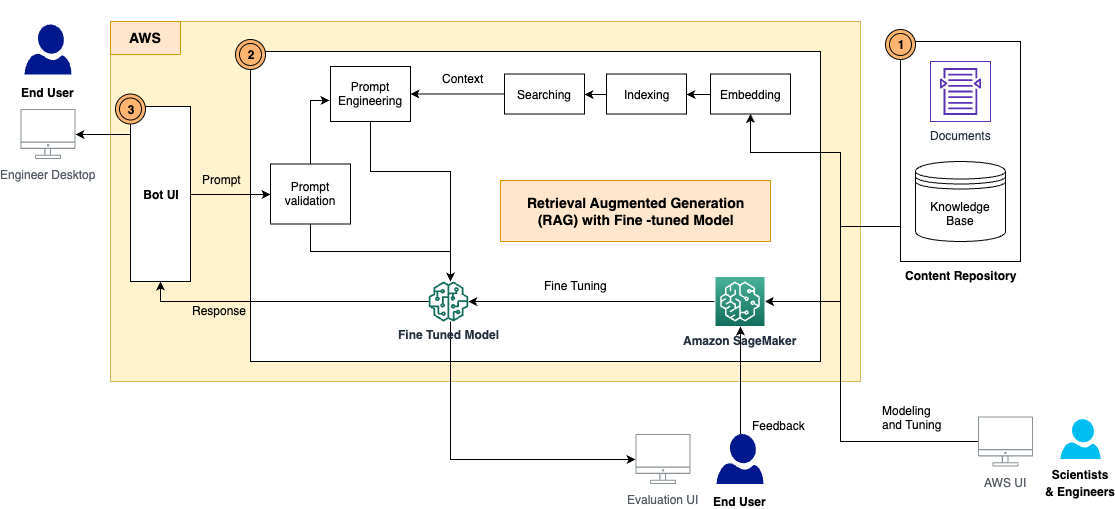
An AI result depends on many parts: the prompt, retrieved documents, tools, user permissions, and code that handles the reply. A broken source feed can look like model drift. A new prompt can change style or meaning. A tool error may stop an action after the model made the right choice.
What to check
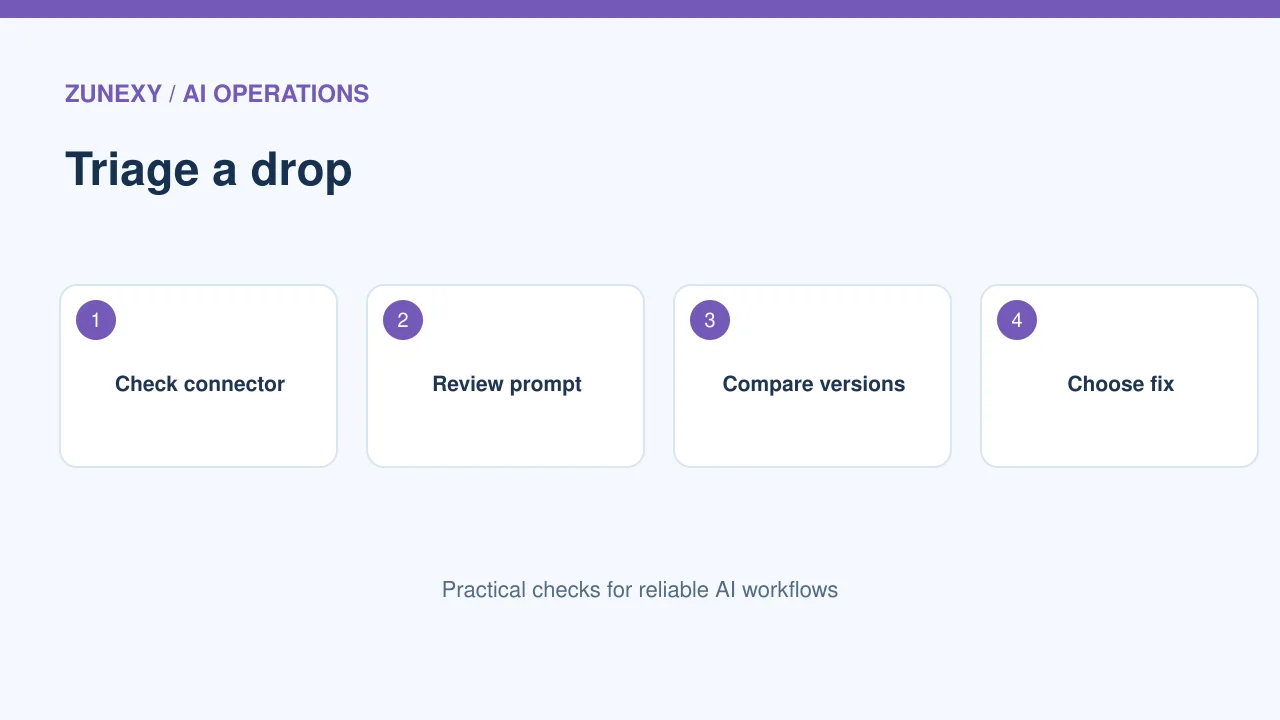
When quality falls, compare versions. Ask whether documents changed, whether a vendor released a new model, and whether your own workflow was edited. Keep enough logs to trace a test case without exposing sensitive user data. A model retrain may be the wrong fix if a data connector is failing.
Use feedback without chasing every complaint
User feedback is valuable because it shows how a tool works in the real world. It is also biased. People often report the worst errors and say little about ordinary success. Combine feedback with sampled tests and direct process measures.
Example in practice
Offer a clear way to flag a wrong answer and choose a reason, such as outdated source, wrong intent, missing context, or unsafe action. Review trends by reason. A single vague thumbs-down score will not tell a team what to repair.
Decide whether to fix, roll back, or retrain
Do not retrain a model each time a chart changes. First check for missing data, bad labels, a policy change, or a broken integration. A prompt change may help a narrow case. A source refresh may fix stale answers. A rollback may be safest after a harmful release. Retraining is one option, not the default.
What to check
Keep a test set aside to check whether a fix helps old and new cases. A change that solves one issue can cause another. Make a release note that says what changed, who approved it, how it was tested, and how to undo it.
Build a light weekly review
On Monday, review alerts and user reports. Midweek, score a small sample of current results. At the end of the week, compare the results with the baseline and decide which issues need action. Once a month, check whether the measures still match the business goal.
Example in practice
The NIST 2026 report on deployed AI monitoring explains why real-world monitoring is hard. Its lesson for a small team is practical: write down who reviews a system, what they measure, when they act, and why it matters. A simple process people follow is more useful than a complex tool nobody opens.
A starter scorecard
- Task success on a checked sample.
- High-impact errors and who reviewed them.
- Changes in input language, type, and source.
- Source freshness and connector failures.
- Response time, cost, and user complaints.
Keep the scorecard tied to a person and a decision. Do not collect a measure simply because a dashboard offers it.
Final takeaway
Good monitoring is a habit. Set a baseline, check real work, explain changes, and give someone the right to act. The aim is not a perfect chart. It is to help people get reliable answers as the world changes.