Edge AI Inference in 2026: When Local Models Beat Cloud Calls
Should your AI model run on a device or in the cloud? The answer depends on response time, network quality, data needs, power, and cost. This guide gives teams a clear test plan before they invest in edge hardware.
When the device should do the work
A field worker may use a camera app where the signal is weak. A small model on the device can flag a basic issue without waiting for a cloud reply. Later, the app can sync a short record when it has a link. This can help with delay and offline use. The trade-off is local power, storage and the need to keep the model up to date.
What edge inference changes
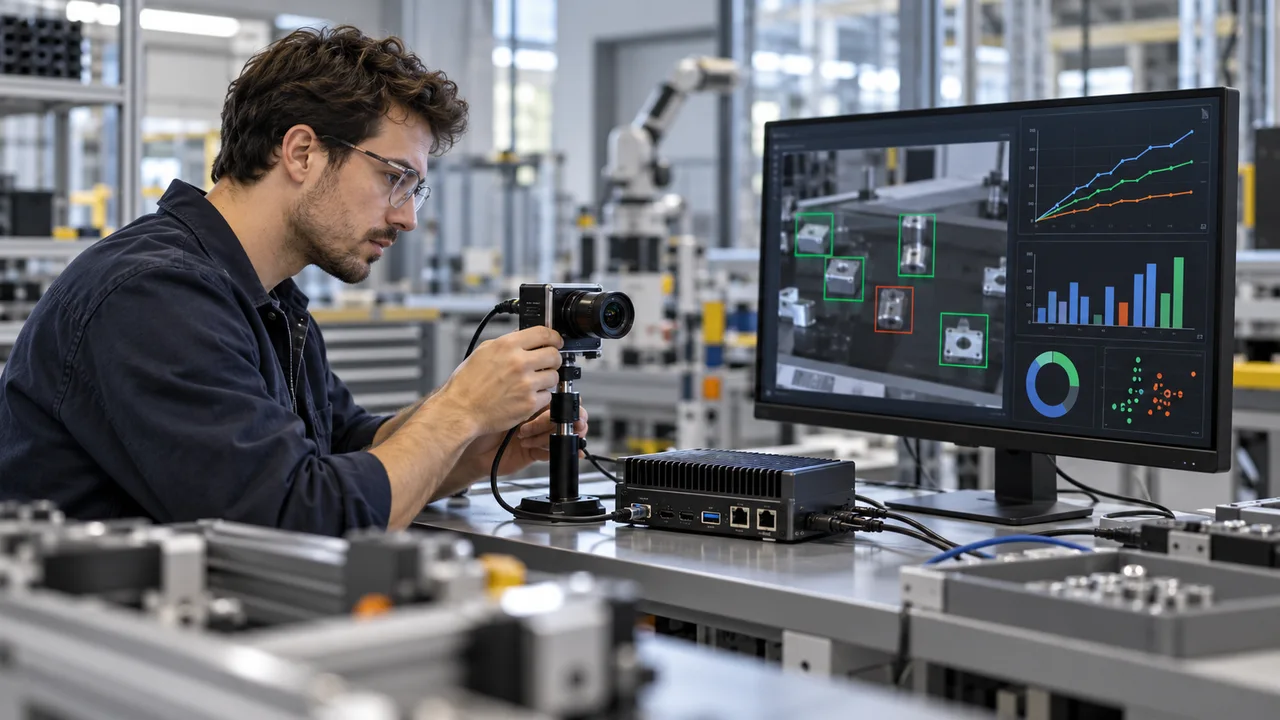
Edge inference means an AI model runs close to where data is made, such as on a phone, camera, gateway, or local server. It can reduce the need to send every input to a distant cloud service. That can help with response time, bandwidth, and some privacy needs.
Field example
It is not automatically cheaper or safer. The team still has to buy and manage hardware, update models, protect devices, and handle failures. A cloud model may be more accurate for a complex task. The best choice depends on the job, the network, and the data.
Pick a task with a clear need
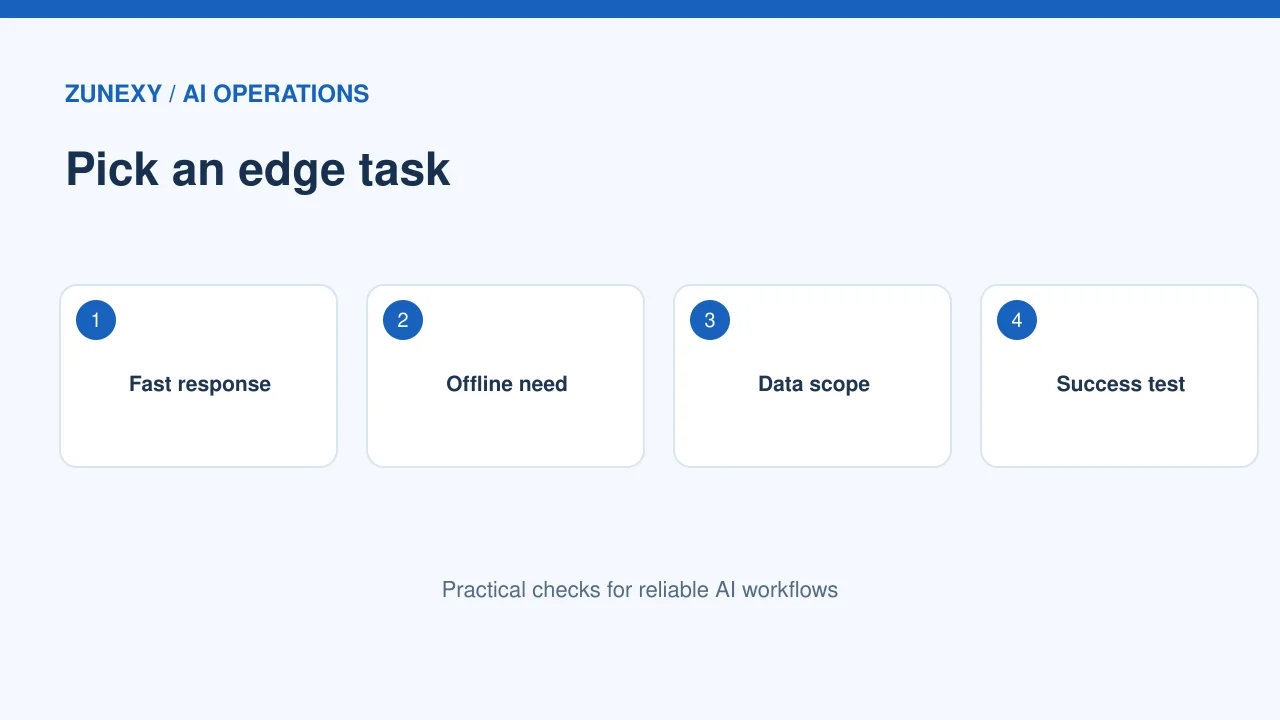
Start with a task that benefits from a fast local result or must work without a steady connection. A warehouse camera might spot a blocked path. A field tool may flag a broken part. A phone app may transcribe a short voice command.
Decision check
Do not move every AI task to the edge. A monthly report can often run in the cloud with no user impact. Keep the pilot narrow so you can tell whether local processing solves a real problem.
Measure the whole response time
Latency includes reading the input, preparing it, running the model, and acting on the result. A fast model can still feel slow if the camera, disk, or app adds delay. Test from the point where a real user starts the task.
Field example
For a visual safety check, record the time from a camera frame to an alert. Compare edge and cloud paths under normal and poor network conditions. Use several devices, not one best-case test. The result should include how often the system misses its target.
Check the power and hardware limits
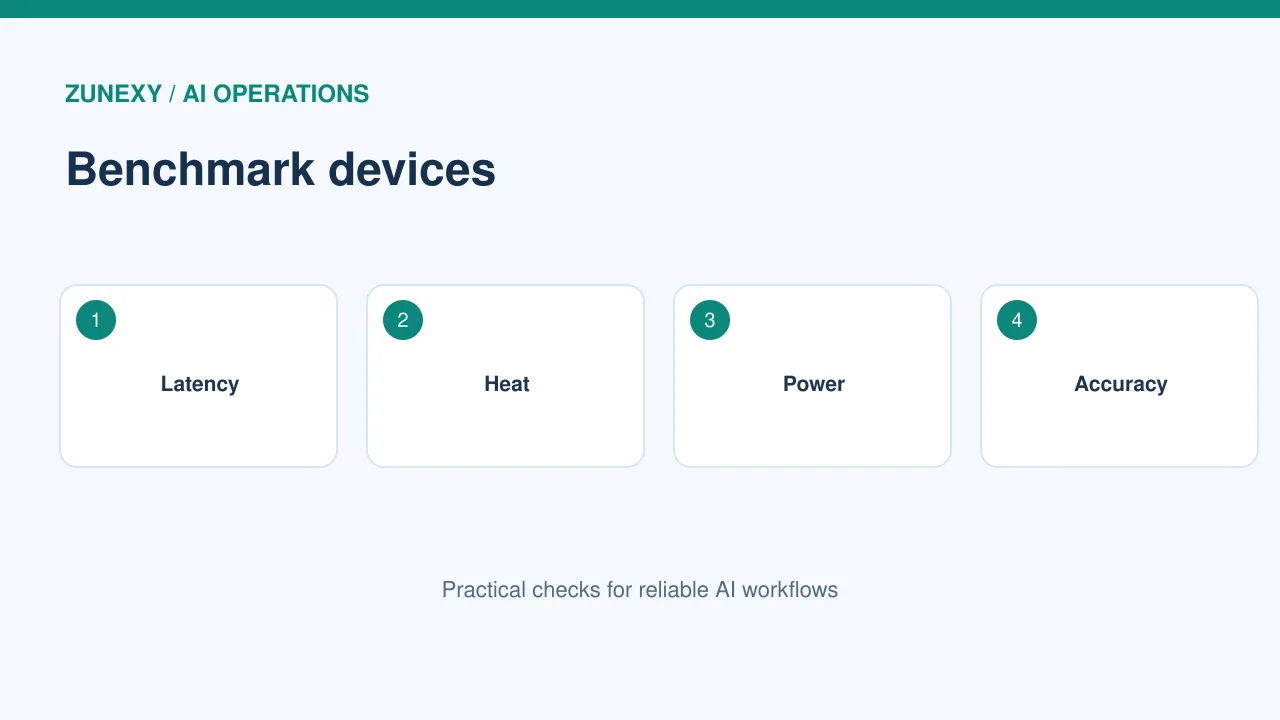
Small devices have limits on memory, heat, storage, and battery life. A model that runs on a workstation may not fit a gateway. Quantization and other model changes can reduce resource needs. But may affect accuracy.
Decision check
Test the actual device in the place where it will work. A factory gateway in a hot room may behave differently from a desk test. Measure temperature, power draw, and sustained speed. A model that works for five minutes may slow down after an hour.
Plan for offline operation
Some edge use cases exist because connections are weak. Microsoft’s Azure IoT Edge guidance explains how edge devices can operate offline for extended periods and send stored messages when the connection returns. That is one possible design, not a promise for every product.
Field example
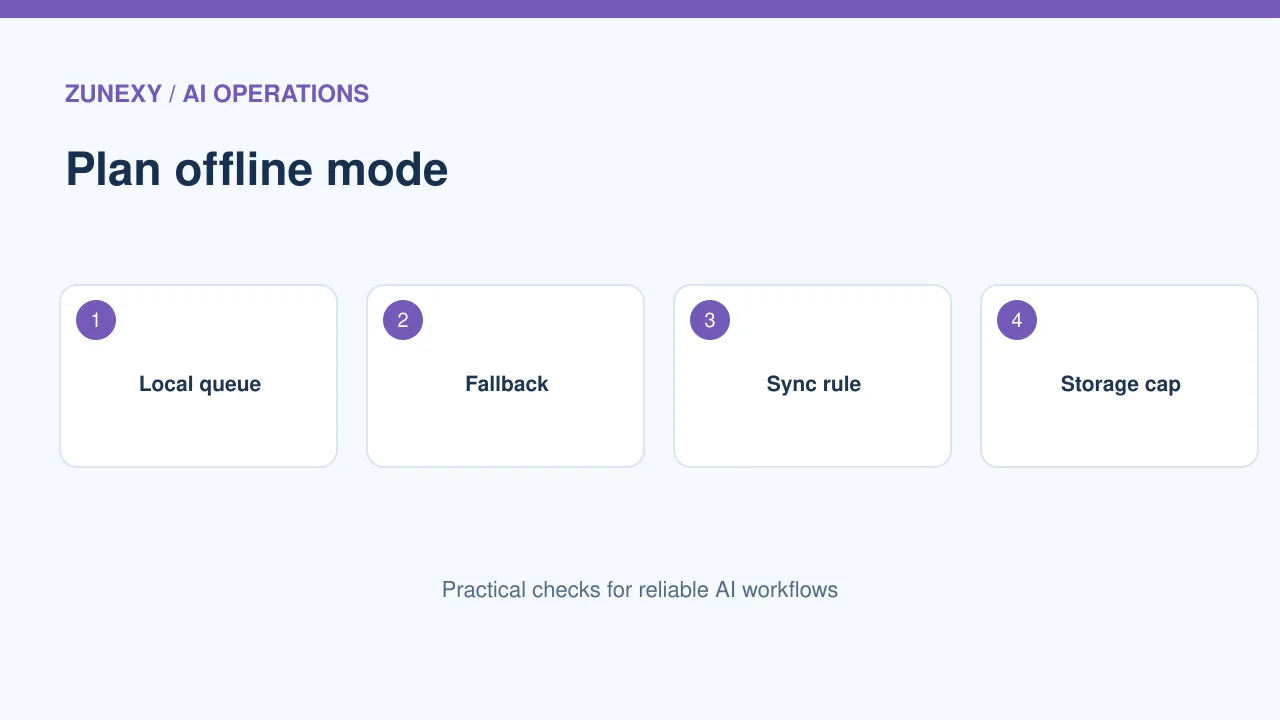
Decide what the device should do when it cannot reach the cloud. It may keep local results, queue data, or pause an action that needs current information. Write down the storage limit and what happens when it fills. Test a real disconnect and recovery.
Keep data exposure in view
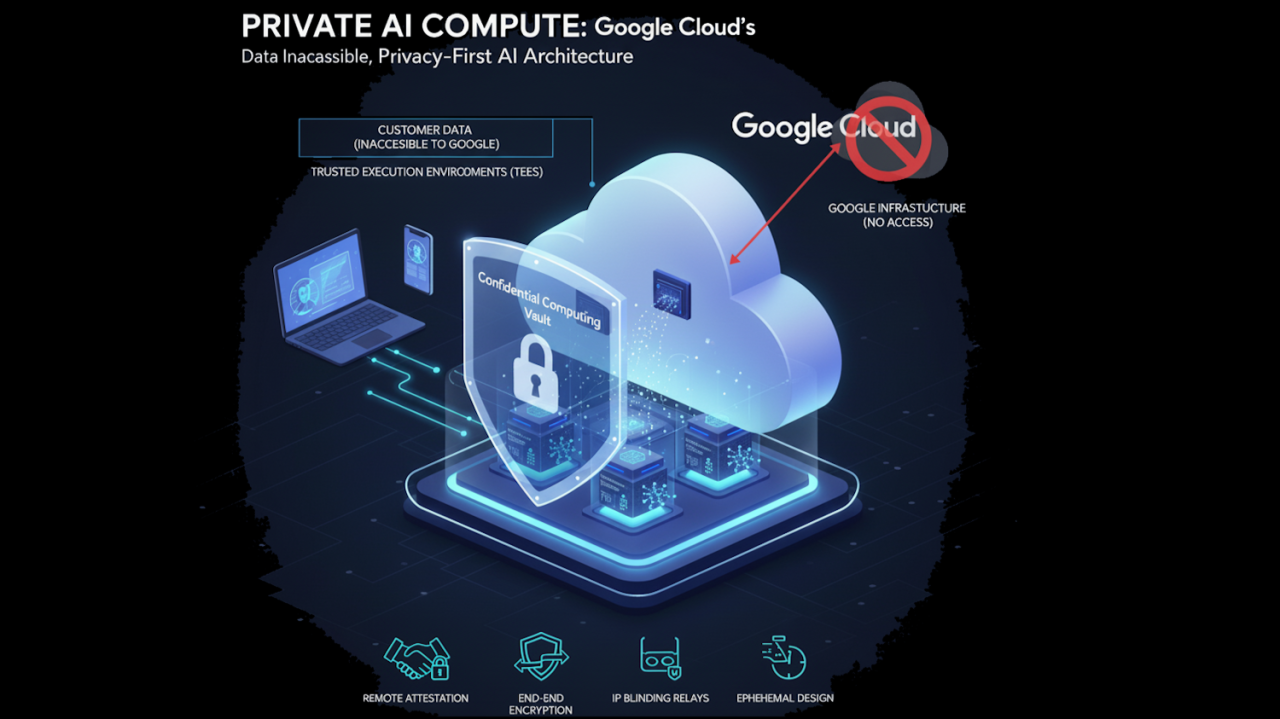
Local processing may keep raw images or audio away from a remote service. Google Cloud’s inference guide describes edge processing as useful for speed and privacy. Yet the device itself can still be stolen, misconfigured, or accessed without permission.
Decision check
Protect storage, keys, updates, and local logs. Limit which data leaves the device. If only an event count is needed centrally, avoid sending full video clips. A privacy claim should describe the actual flow, not only where the model runs.
Use cloud services where they help
A hybrid design can run quick checks locally and send harder cases to the cloud with consent and policy controls. It can also use the cloud to distribute approved model versions and collect health metrics.
Field example
For a retail shelf camera, a small local model might detect missing stock. An uncertain result could be reviewed by staff or a larger model. Set clear thresholds and protect the data sent upstream. Do not hide the fallback path from the architecture plan.
Maintain models across many devices
Updating one cloud service is different from updating hundreds of field devices. Record the installed model, app version, device type, and last check-in. Use signed packages where possible and a way to roll back a bad release.
Decision check
Start with a small device group. Watch for accuracy changes, crashes, and resource use before a broad rollout. If a device misses an update, make that visible. A silent mix of old and new models can create hard-to-explain results.
Measure true costs
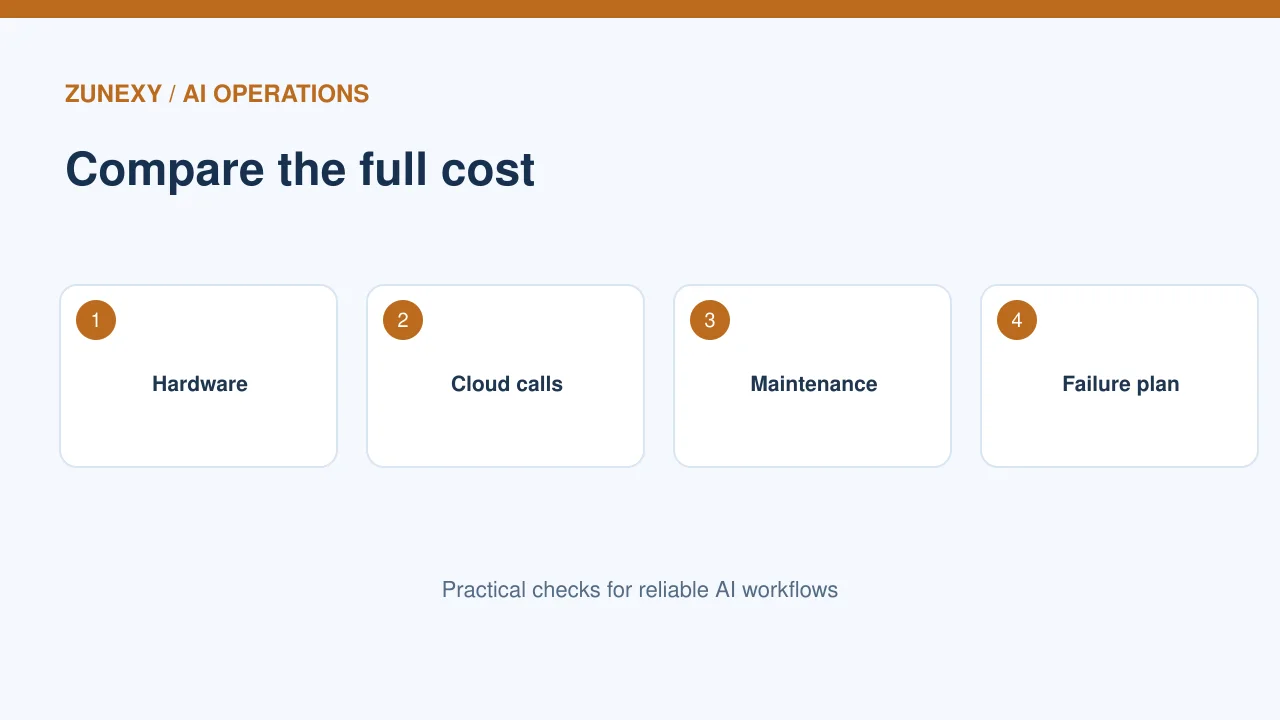
A cloud price per request is only part of the comparison. Edge costs include hardware purchase, replacement, electricity, maintenance, connectivity, and staff time. Cloud costs can include requests, storage, data transfer, and managed service fees.
Field example
Build a simple cost model over the device’s expected life. Include a low-use and high-use case. If the edge device is already present, the economics may differ from buying a new accelerator. Avoid blanket claims that local AI is always less expensive.
Keep a human fallback
A wrong local prediction can affect a physical process. For any high-impact action, define when the system must ask a person or stop. Test unusual inputs, poor lighting, damaged sensors, and network loss.
Decision check
An equipment alert may be safe to display for review. Automatically stopping a production line needs stronger testing and controls. Match the level of autonomy to the possible harm, and keep a record of who approved it.
A two-week pilot plan
In the first week, choose the task, device, model, and success measures. Test response time, accuracy, heat, and offline behavior. In the second week, add update tests, security checks, and a cost comparison. Then review the result with operators.
Field example
The Azure architecture example for edge inference shows how an edge module can run a model near the data source. Use official documentation for your chosen platform. But let your own test decide whether the design fits.
Edge AI pilot checklist
- Pick one latency-sensitive or offline task.
- Benchmark real hardware and sustained load.
- Test poor network and lost connectivity.
- Review local data, updates and access controls.
- Compare full lifetime cost and failure handling.
What should stay on the device?
Keep only what the device needs for its task. A camera may need a few recent frames to decide whether an item is missing. It may not need a long video archive. A voice assistant may need to process a command. But it may not need to save the raw recording. Set limits for local storage and deletion. Review whether the operator can inspect or export data, and make that access visible. A smaller footprint can reduce both risk and maintenance.
An example from field service
A technician uses a tablet to check equipment in an area with poor reception. The tablet can run a small classifier and store a short result. When the connection returns, the app can send a checked summary to the service system. It should not silently upload every photo. Ask the technician to confirm sensitive findings and give a clear retry path if syncing fails.
Final decision
Use edge AI when a local result solves a real need. Use cloud inference when it provides better scale, quality, or simpler maintenance. A hybrid path may be best for mixed work.